

Baking Bread in Khiva: Uzbek Bread Workshop Review
Bread in Uzbekistan is something near-sacred. Each city in Uzbekistan has its own style of daily bread (non in Uzbek), and you could easily carbo-load your way through the cities of Uzbekistan, learning the bread of each city.
With limited time in Uzbekistan, I knew I wanted to take at least one bread workshop. My time in the other cities was more limited, so I picked to do a bread workshop in Khiva. Here, we learned the typical Khorezm bread of the region, served with tea as part of daily life.
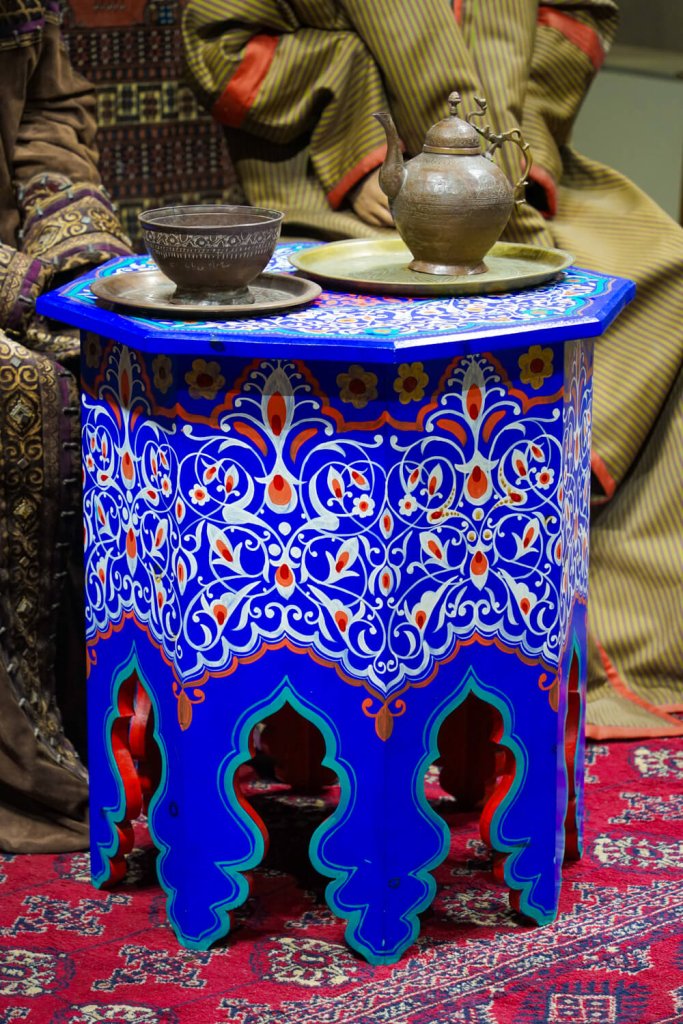
| 🇺🇿 Planning Khiva at the last minute? Here are some tips! 🕌 Top Khiva Tours & Attractions 1. Historical Walking Tour of Khiva (#1 pick — my guide was great) 2. 4 Ancient Fortresses Day Tour (see the historical region outside of Khiva — can also do en route to Nukus, if visiting. This is what I did.) 3. 1-Hour Bread Master Class (make bread the traditional Uzbek way, in a tandir!) 🏨 Top Khiva Hotels 1. Khiva Siyovush Hotel (stayed one night, gorgeous mid-range boutique hotel inside the city walls) 2. Madrasah Polvon-Qori (friend stayed here & loved, boutique hotel in a 19th century madrasah, just outside of the East Gate to Itchan Kala) 3. Oqilanur Guest House (stayed one night, located inside the city walls, charming budget guesthouse) 🚆 TIP: Book your train tickets ahead of time, especially if taking the sleeper train from Tashkent! Train tickets often sell out on the official Uzbekistan train website (and the website is glitchy). You can buy them at a small up-charge on the 12go.asia site — it will be much cheaper than going through a travel agent. |
Khorezm bread is flatter, more pita-like than other Uzbek breads. The Uzbek bread you’ll find in Samarkand, for example, is much denser, with thick edges and a thinner center. Meanwhile, Tashkent bread is more elaborately shaped, glossy, and decorative.
All Uzbek breads use a unique bread stamp called a chekich, which is a wooden handle with iron pins set into a decorative pattern. This is done to add texture as well as decoration to the bread.
Different regions use different patterns of chekich; you’ll find them for sale all over Uzbekistan and they make fantastic souvenirs!
Below, I’ll explain what it’s like to take a bread masterclass in Khiva and whether or not I recommend it.
Want to take the exact bread-making class I did? This is the one!
My Experience Taking a Bread Workshop in Khiva
The nice thing about taking a breadmaking class in Khiva is that it requires very limited time in your schedule! The bread cooks very quickly in the tandir — we’re talking mere minutes — so you can easily fit a one-hour bread class into your schedule.
I booked this bread masterclass, which is very affordable. It includes the bread masterclass, as well as all the fixings to enjoy your bread afterwards: tea, kaymak, jams, and other tea treats.

The class was held at the gorgeous Tea House Mirza Boshi. We made the bread inside of the teahouse, and then we went out to the back, where there is a working tandir serving up non all day long!
We were given all the ingredients we needed for Uzbek bread: flour, salt, yeast, and warm water.

With the ingredients already prepped and ready for us, all that was left to do was mix the bread.
You start with your hands, mixing the dough together into a shaggy mixture. Then, you knead it until it forms an elasticity.


Once the bread forms a circle easily and is not too sticky, it is ready for the next steps before going into the oven.
On a floured surface, you will roll out the dough using a rolling pin and then decorate it with the chekich of your choice to create a unique pattern that speaks to you!


All the while, your Uzbek breadmaster is watching to help ensure you roll your bread to the right thinness (without tearing the delicate dough) and helping you pick different designs for your bread.
Once everyone in your class has rolled out their bread and designed it, you are ready to bring it to the tandir (clay oven).
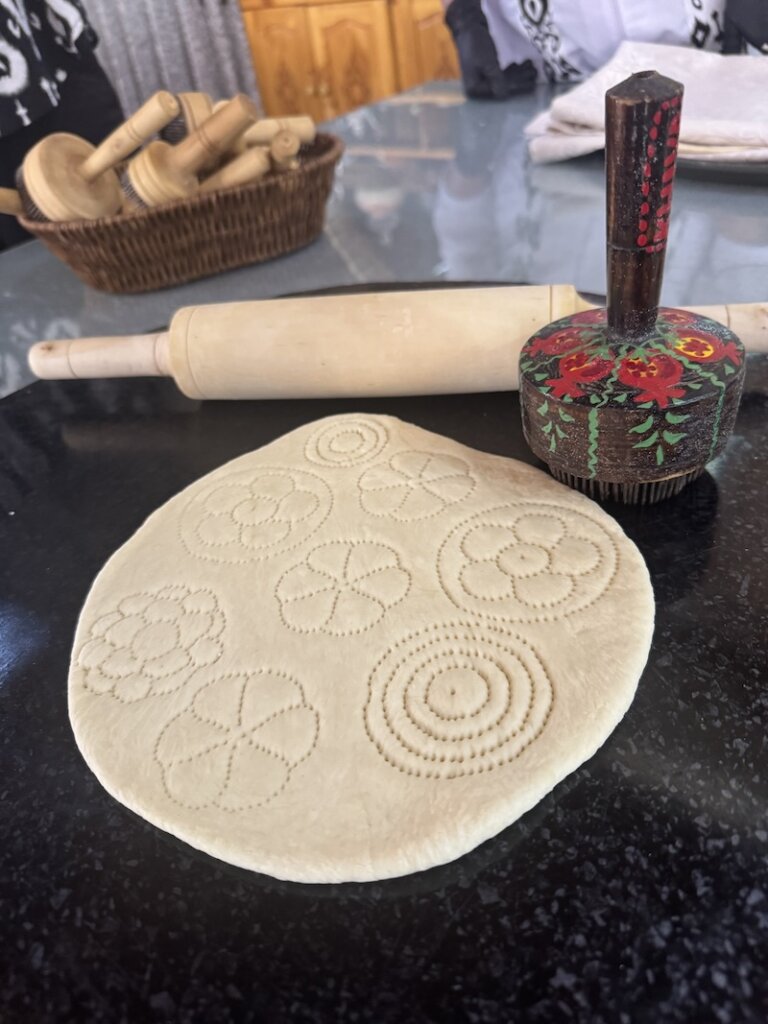
Here is my non before I brought it out to the oven! I wanted to use as many different chekich stamps as possible, so my design was rather abstract rather than perfectionist.
People who are a little more aesthetically inclined than I am will undoubtedly end up with more beautiful, geometrically pleasing designs. But let’s be honest… it’s all going to taste delicious!
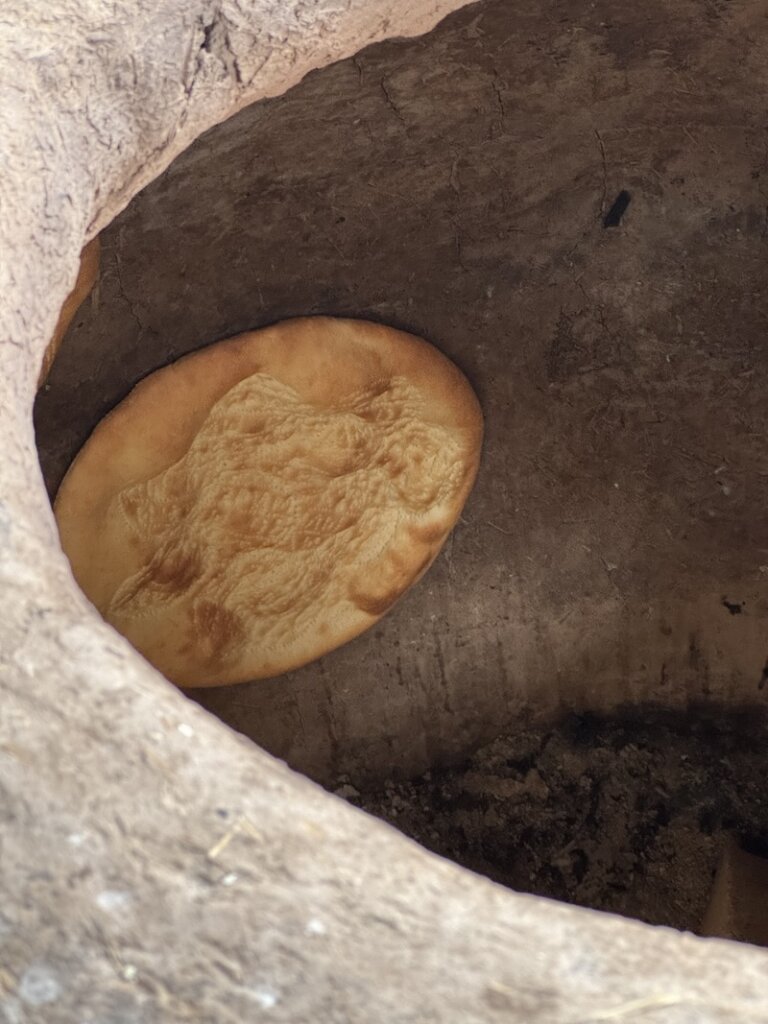
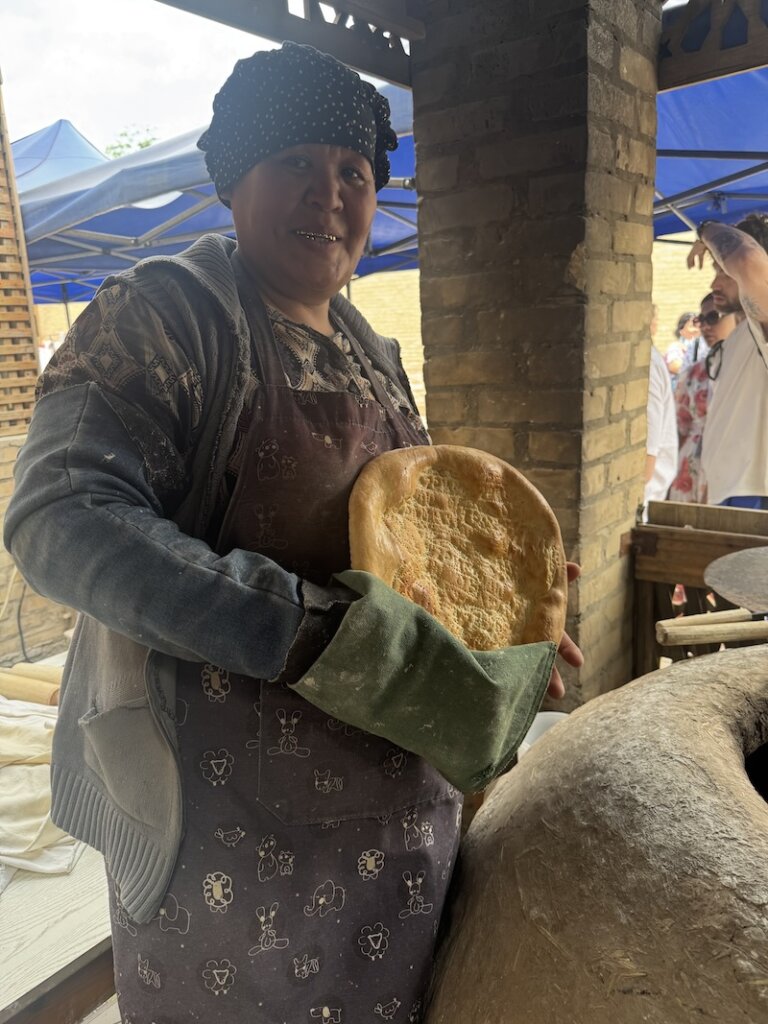
With the help of a local baker, you’ll hand over your bread creations to be stuck to the tandir walls, where they cook lightning-quick!
These flat breads were finished in a matter of minutes: it was like alchemy.
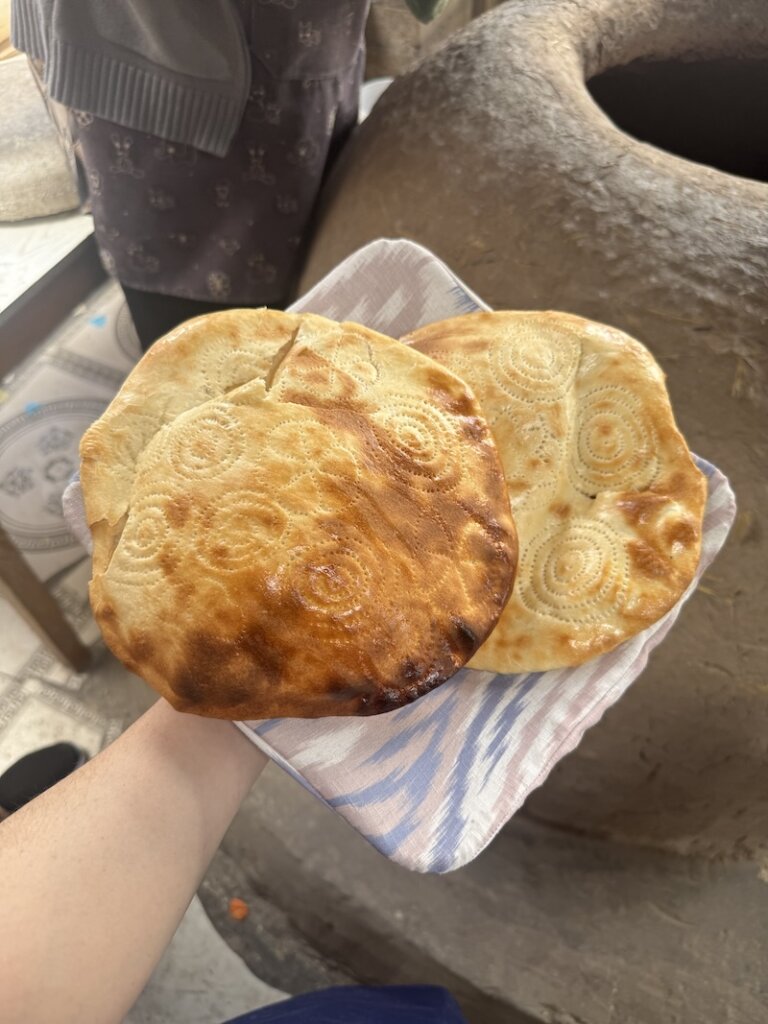
The finished breads were beautiful and steaming hot, ready to be eaten and enjoyed immediately. Khorezm bread is meant to be eaten as fresh as possible!
So into the teahouse we went, where we got to tear into our breads right away.
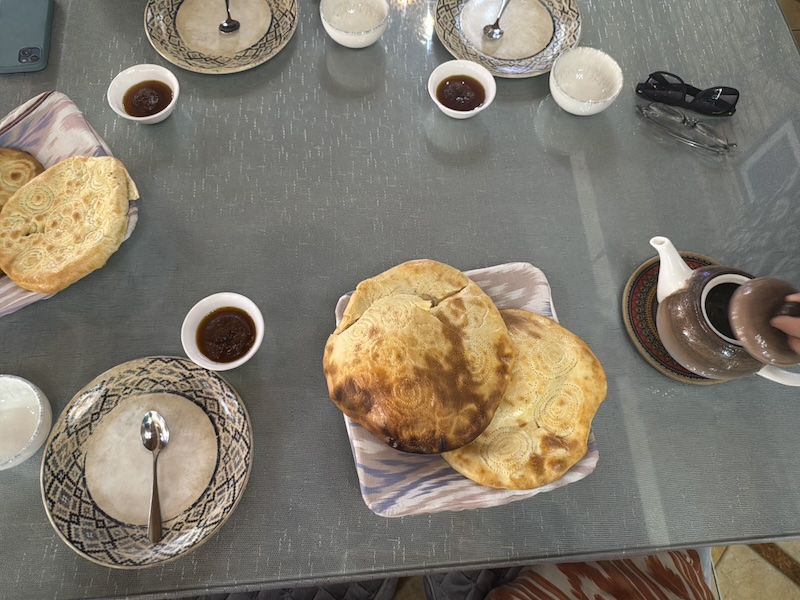
We ate our Khorezm bread with traditional Uzbek tea, kaymak (cream) and a delicious rose jam. It was so tasty, especially with how flaky the bread was upon being freshly baked.
We enjoyed our bread over a few minutes of conversation before wrapping up the workshop, eating and leaving no crumbs… literally!
This is the breadmaking class I took, if you’re looking to repeat the experience.
***
I appreciated that the breadmaking workshop was so quick and then, just like that, it was back to sightseeing around Khiva.
I think this is a fantastic way to break up your day in Khiva. Especially since this city is so hot for so much of the year — even visiting in May, I found the heat almost unbearable… and I live in Thailand year round!
It’s a great way to take a break from the unrelenting sun while doing something productive and cultural.
Have you ever taken an Uzbek bread baking class? Do you have any questions I haven’t answered in this article? Ask them below!

Allison Green is a former teacher who has been travel blogging since 2016, visiting 75+ countries in total. She has a Masters in Teaching and a B.A. in English and Creative Writing. As a former educator, she merges her writing and educational experience to encourage ethical, sustainable travel. She has been a speaker at the World Travel Writers Conference and TBEX. Her writing, photography, and podcasting work has appeared in National Geographic, CNN Arabic, CBC Canada, and Forbes, amongst others. When she’s not on the road, she lives in Bangkok, Thailand.