

7 Magical Things to Do in Abisko in Winter [2026]
After all the travels I’ve done — more than 70-something, depending on how you count it — it’s hard to pick favorites. But some places linger in my mind longer than others, and one of those was my first trip to Abisko in the winter.
In fact, I actually visited Abisko before I ever even started a travel blog, but I’ve since returned and re-confirmed my love for Abisko, seeing it in its warm autumn glow which was such a beautiful contrast to its winter whites.
| 🇸🇪Planning a winter trip to Abisko at the last minute? Here are my quick picks! ❄️ Best Winter Activities in Abisko Northern Lights Tour with Photography Gear Included (#1 aurora company in Abisko!) Dog Sledding Tour with Fika Break (bonfire with coffee and cinnamon bun included!) Sámi Reindeer Ranch Visit & Cultural Tour (meet and feed the reindeer!) Icehotel Day Trip to Jukkasjärvi (can do on last day and use as transfer to Kiruna) 🛌 Best Places to Stay in Abisko Abisko Mountain Lodge (where I stayed my last trip; best option in Abisko — but it books up 3+ months in advance in winter) STF Abisko Turiststation (where I stayed my first trip; only accommodation in the national park irself) Abisko Hostel & Huskies (budget accommodations on a husky farm!) |
Note about photos: This post will mostly use photos from my trip to Abisko in February (admittedly the quality is terrible, since I took them before I ever imagined a career in travel blogging — I’m sorry!) but it includes updates from my recent autumn trip from 2025.
Though to be honest, despite my two trips to Abisko being nearly a decade apart, Abisko is a place where things rarely change. There are still the same restaurants and guesthouses from my first trip there, no shops have opened up: it’s a bit of a time capsule in that way, resisting over-development in a world that otherwise develops so quickly, and that made me feel more fiercely in love with it.
While the winter season in Abisko runs from roughly November through April, I think February is a gorgeous month with exactly the right combination of sufficient snowfall, just enough daylight (6-8 hours or so), but plenty of dark nights where you can see the Northern lights dance overhead way more often than not!
7 Best Things to Do in Abisko in Winter
Take advantage of the “Blue Hole” to go Northern lights chasing
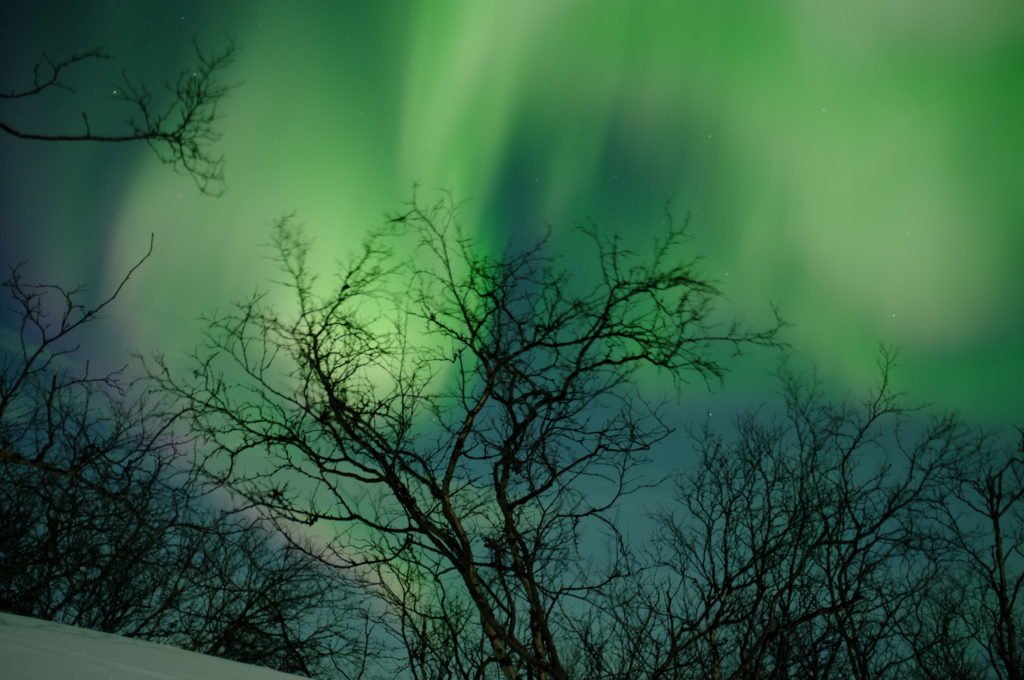
I may have a bit of an aurora problem. Over the years, I’ve chased the Northern Lights all over the Nordics — from Finnish Lapland to as far north as Svalbard — but the best luck with the aurora I’ve ever had was in Abisko National Park, where I saw them multiple nights in a row, all without even leaving the park.
On later Arctic trips, I learned that was incredibly lucky. I discovered (the hard way) that even when the aurora is raging overhead, clouds can ruin the show. The lights happen high above the clouds (over 100 km up!), so if the skies aren’t clear, you won’t see a thing.
That’s why coastal places like Tromsø or Iceland, with their fickle and cloudy weather, actually aren’t the best bets for the aurora, statistically speaking, although they do have lots of other offerings that absolutely make them worth your time.
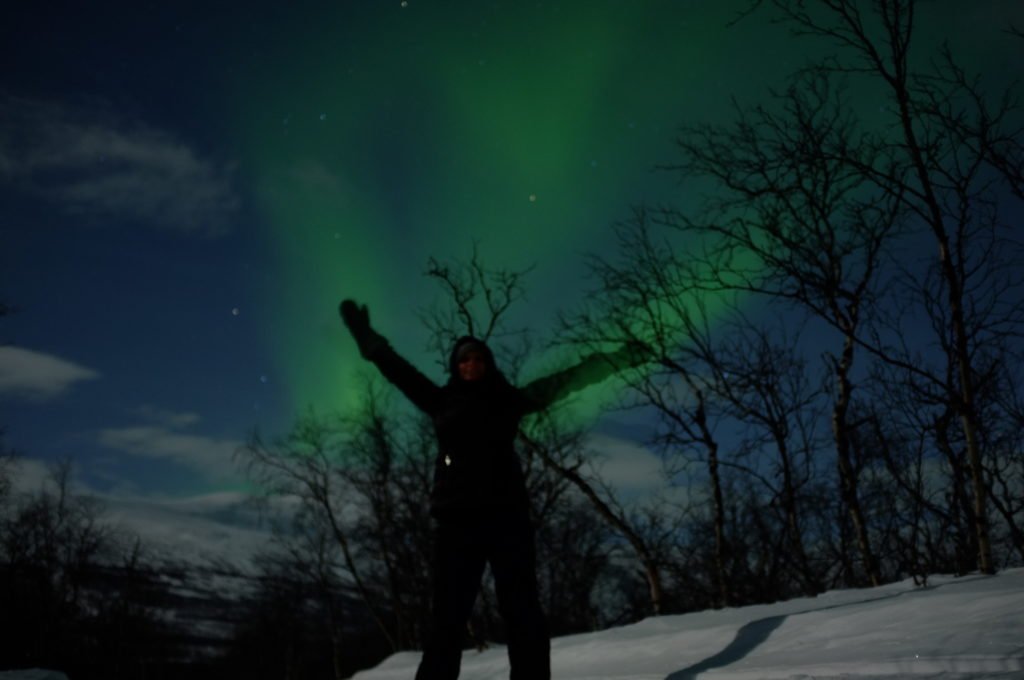
Abisko, on the other hand, is famous for its “Blue Hole” microclimate: a so-named patch of consistently clearer sky, created by the joint effort of Lake Torneträsk and the surrounding mountains. Thanks to this, your odds of seeing the lights in Abisko are excellent: stay three nights, and you have about an 80% chance of seeing the Northern Lights.
Unintentionally, on my first trip to Abisko, I did exactly that and saw them every night, including one truly jaw-dropping display on my last evening. In contrast, I spent a full week in Tromsø and saw them only twice — and once, I had to take an expensive tour all the way into Finland just to get a glimpse! And on another trip to Tromsø, I was in the city for three whole weeks and only saw them once.
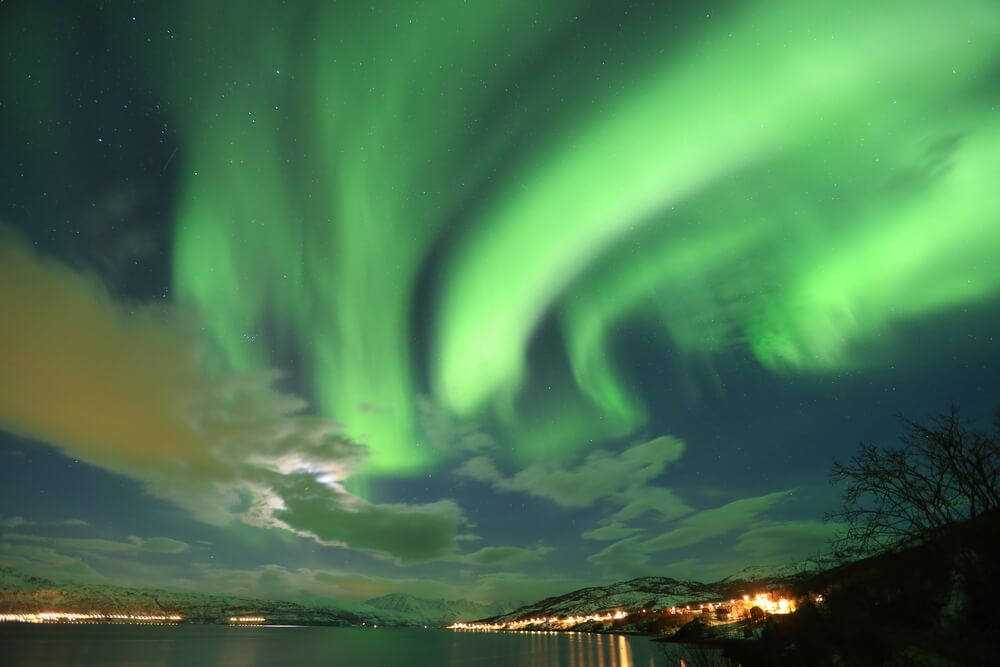
Even in Abisko, though, local knowledge helps, and having a set of wheels at your disposal. My first two nights had strong solar activity but too much cloud cover for a proper show — that’s where a guided Northern Lights photography tour would’ve made all the difference (and helped me get better photos than the ones I took).
The aurora guides track both aurora forecasts and local weather to drive you to the clearest skies possible, plus you get great photo compositions and expert help with your camera.
📸 If photography’s your goal, this small-group photography tour (max 8 people) includes a pro camera, tripod, and settings all ready to go — just bring your own memory card.
Book your Northern Lights photography tour here!
💸 On a budget? Try this shorter aurora-chasing tour (about 3.5 hours) that visits multiple scenic spots — but note that camera gear isn’t included, so you’ll need your own DSLR or mirrorless setup. You can use your smartphone as well these days, but you’ll get way better pictures with a real camera. Book your budget Abisko Northern Lights tour here!
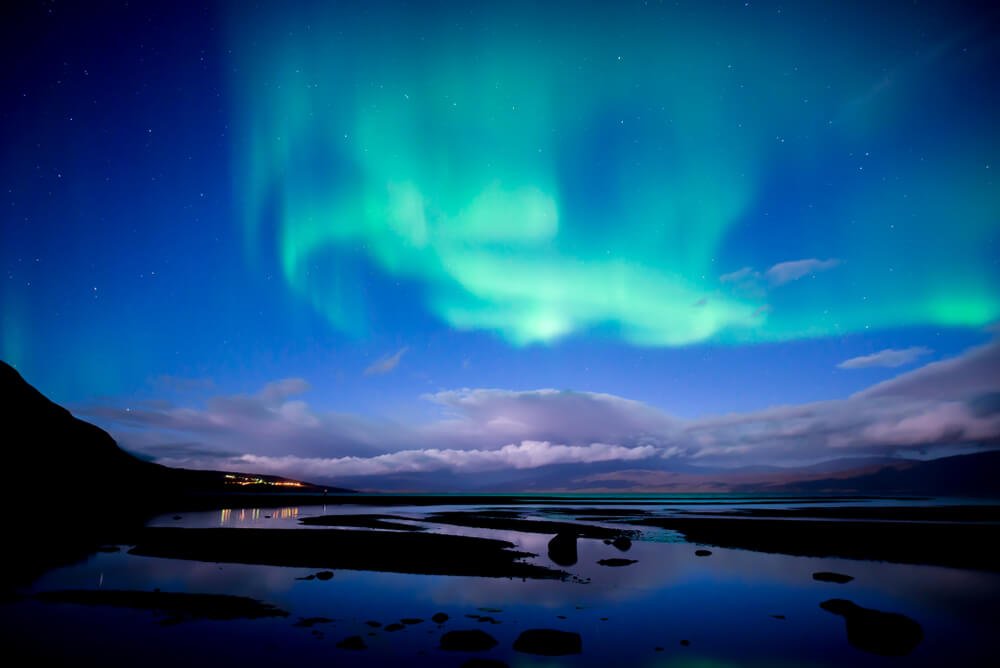
Alternately, you can do what I did and just hope for luck with the lights! It worked for me one night out of three, and maybe it’ll work for you too, and it won’t cost you a cent.
If you do attempt to see it on your own, I suggest staying somewhere away from the Abisko village, like STF Turiststation which is located in the Abisko National Park away from most of the light pollution. If you are in the village and don’t have a car, you can walk to the small ‘airport’ above the village (located just up the hill from Abisko Mountain Lodge, a few minutes’ walk) for the best views and least light pollution.
Go dog sledding and cuddle some husky pups
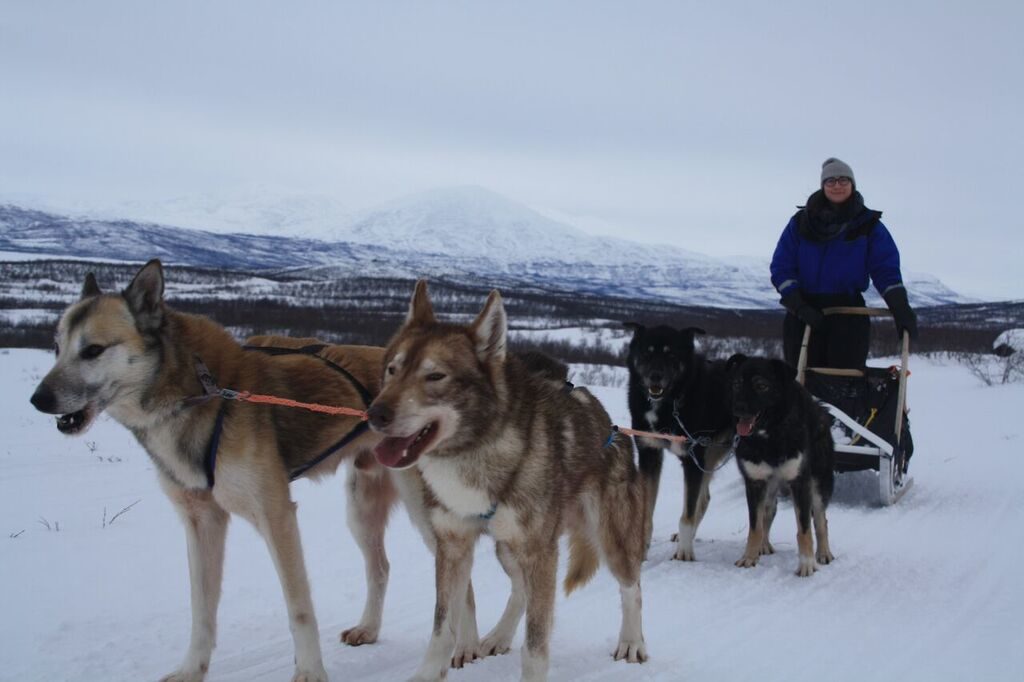
Even though seeing the Northern Lights had been a lifelong dream of mine ever since I first saw them on a science TV show, that actually wasn’t my favorite thing I did in Abisko, to my surprise!
That honor belongs to the incredible dog-sledding tour I took in Abisko. Especially since it came with a side of husky pup cuddles (obviously there won’t always be puppies, but we got lucky when we visited!)
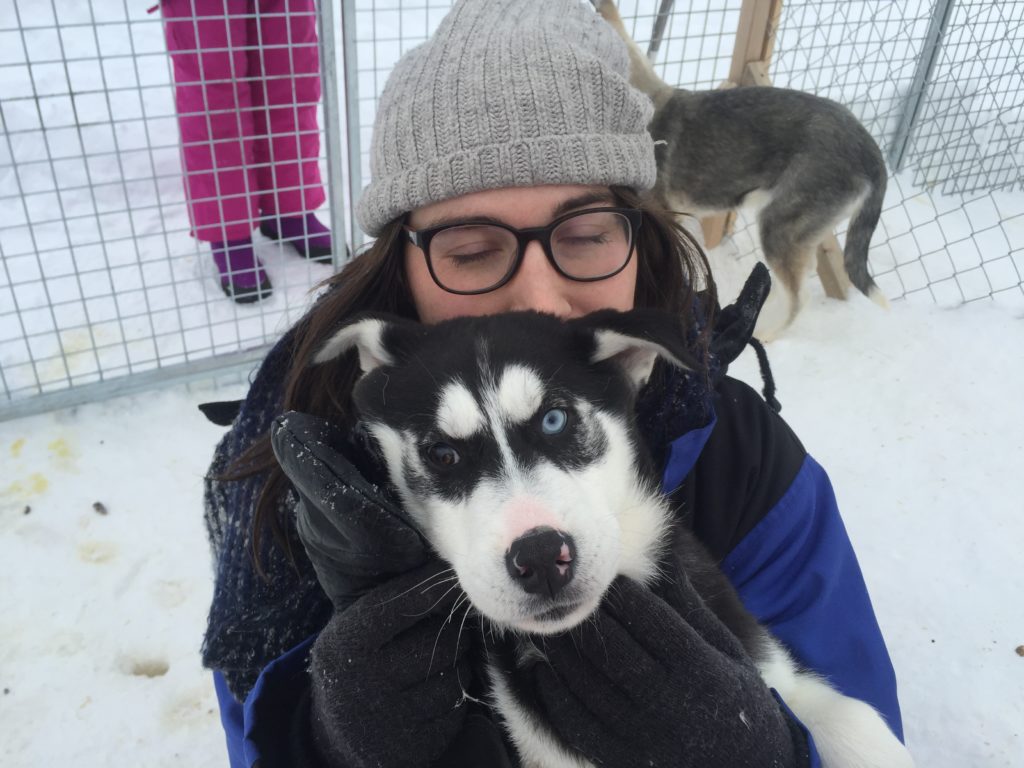
While I’m generally quite wary of animal tourism, dog sledding is an activity I can happily make an exception for. Huskies have been domesticated for exactly this kind of life for thousands of years. In my book, an Alaskan husky running for miles in the Swedish snowy landscape is far more ethical than that same dog being stuck in a city apartment, often in hotter landscapes than they are adapted for.
Speaking for my dog sled excursion in Sweden — but also all the times I’ve dog-sledded in the Nordics (four times in total), — I think these excursions do no harm. The huskies in Sweden live in great conditions, and they are given tons of love and rest time in between sled rides, as well as dedicated days off.
Every dog’s individual personality is known and respected; for example, the staff knows exactly which dogs to pair up based on their personalities and friendships within the pack, down to the dogs’ rivalries and leadership preferences. Their excitement is evident: the huskies get so excited as they’re being harnessed up that they literally will start howling in anticipation!
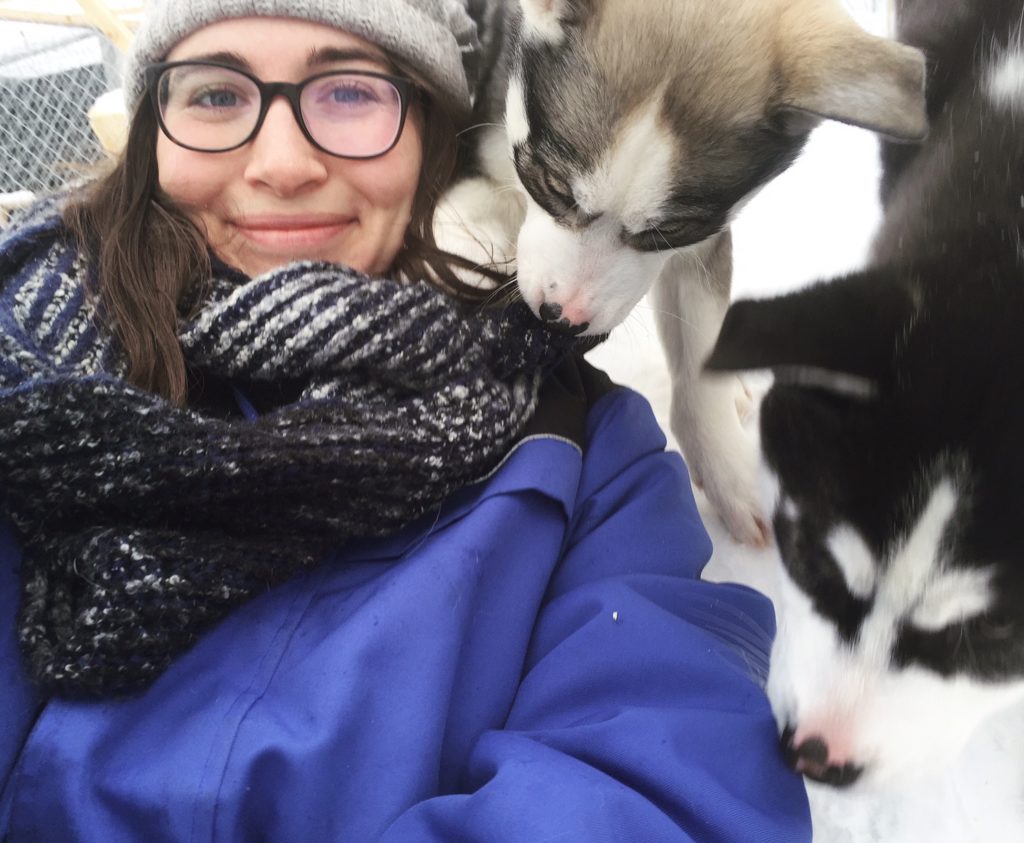
This tour is a great choice for families, as kids older than 5 can participate. A professional musher will lead the sled ride (about 12 kilometers), safely navigating you through the Arctic landscapes so you can sit back and take as many photos and videos as you desire.
They currently only have availability three times a week (Tuesday, Thursday, and Saturday) but it books up pretty quickly so spots are limited!
This tour includes any warm clothing you need to borrow and transfers from Abisko or Björkliden to the dog sled camp outside of Kiruna, as well as a fika stop with cinnamon buns and coffee. Note that this tour does not include a full lunch, so have a hearty breakfast first!
With only three days a week available, I strongly recommend booking your tour online in advance
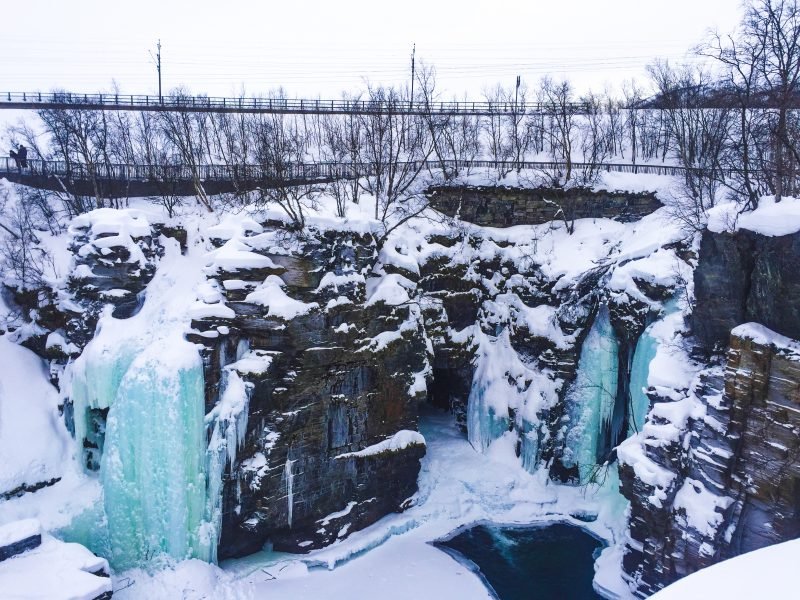
Chase (frozen) waterfalls in Abisko National Park.
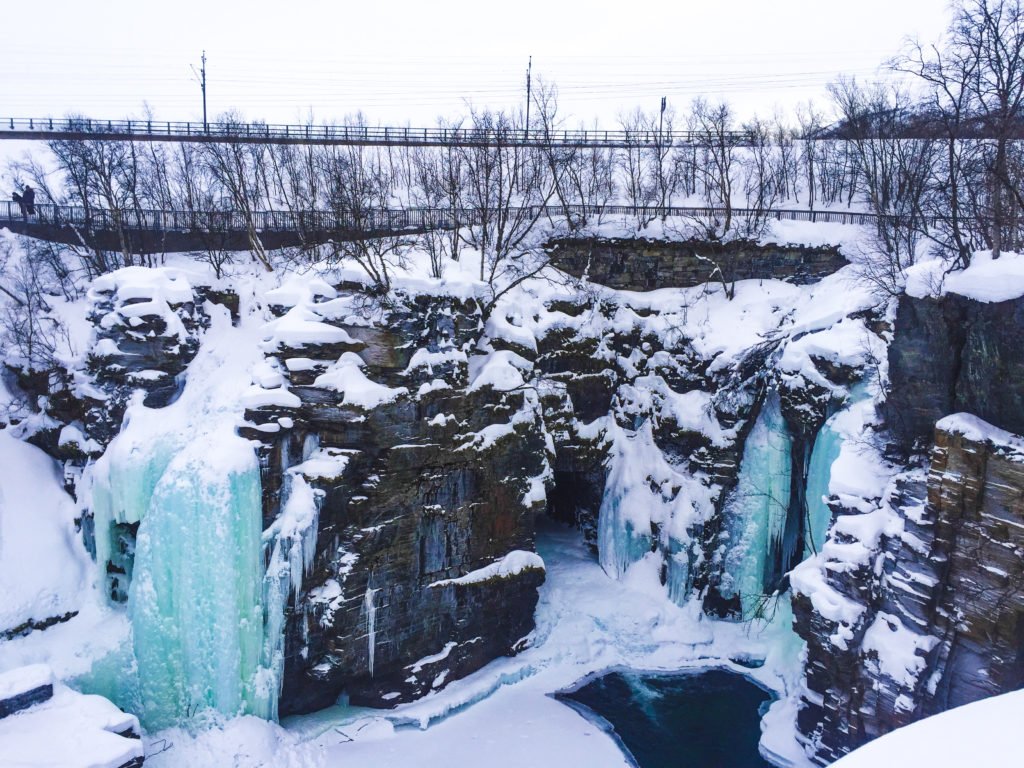
Fun fact: Abisko National Park was one of the first national parks in all of Europe! When you visit for yourself, you’ll see why: this landscape is so beautiful that it’s essential to protect it. Luckily, all 30 national parks in Sweden are completely free to visit!
While I think Abisko National Park is the most lovely in the autumn, it’s also breathtaking in the full throes of winter, especially when the waterfalls freeze over. The simple nature hike that starts at STF Abisko Turiststation is an absolute beauty, with plenty of opportunities to admire the stunning waterfalls that form each year.
These frozen waterfalls were truly beautiful and I had never seen anything like it before (and wouldn’t again until I visited Korouoma Canyon in Finnish Lapland).
Take it up a notch and go ice climbing up the waterfalls!
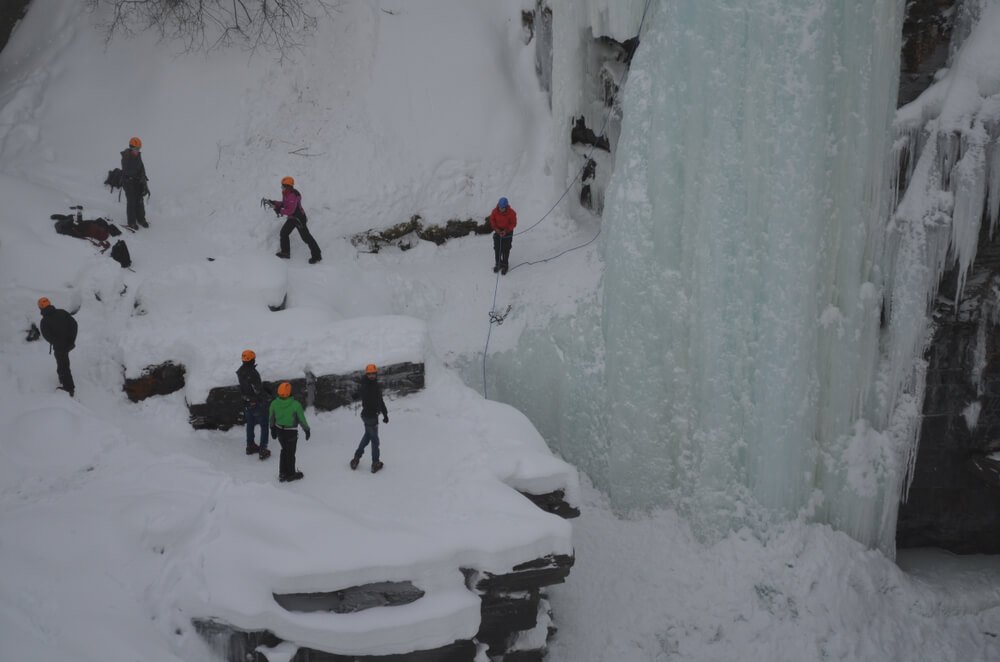
When I first saw people scaling the frozen waterfalls in Abisko, I had no idea what I was looking at — until it hit me: they were literally climbing up the waterfalls, aka ice climbing! At the time, I didn’t even know that was a thing, and my immediate reaction was a big, fat, immediate “nope.”
At the time, I couldn’t wrap my head around how it worked and it just looked death-defying to me. But it turns out, it’s basically a top-rope setup, except you go up the ‘wall’ using ice axes and crampons instead of relying on your hands and climbing shoes.
Now that I’m into rock climbing, though, it’s officially on my bucket list to go back and try ice climbing for myself. Of course, unless you’re already an experienced ice climber (Bueller? Bueller?), you’ll definitely want to go with a certified guide.
This 3-hour tour introduces you to all the basics of ice climbing, so you can learn what it takes to climb up an ice wall vertical and how it differs from rock climbing, all by a licensed wilderness guide. And if you’ve never climbed before, don’t worry: this activity is suitable for total beginners.
You’ll be given all the necessary safety gear: alpine boots, crampons, a harness, ice axes, a helmet, etc. Just bring your own warm clothing and any food and drinks you might need during your climb, including a lot of guts.
Visit a Sámi reindeer farm
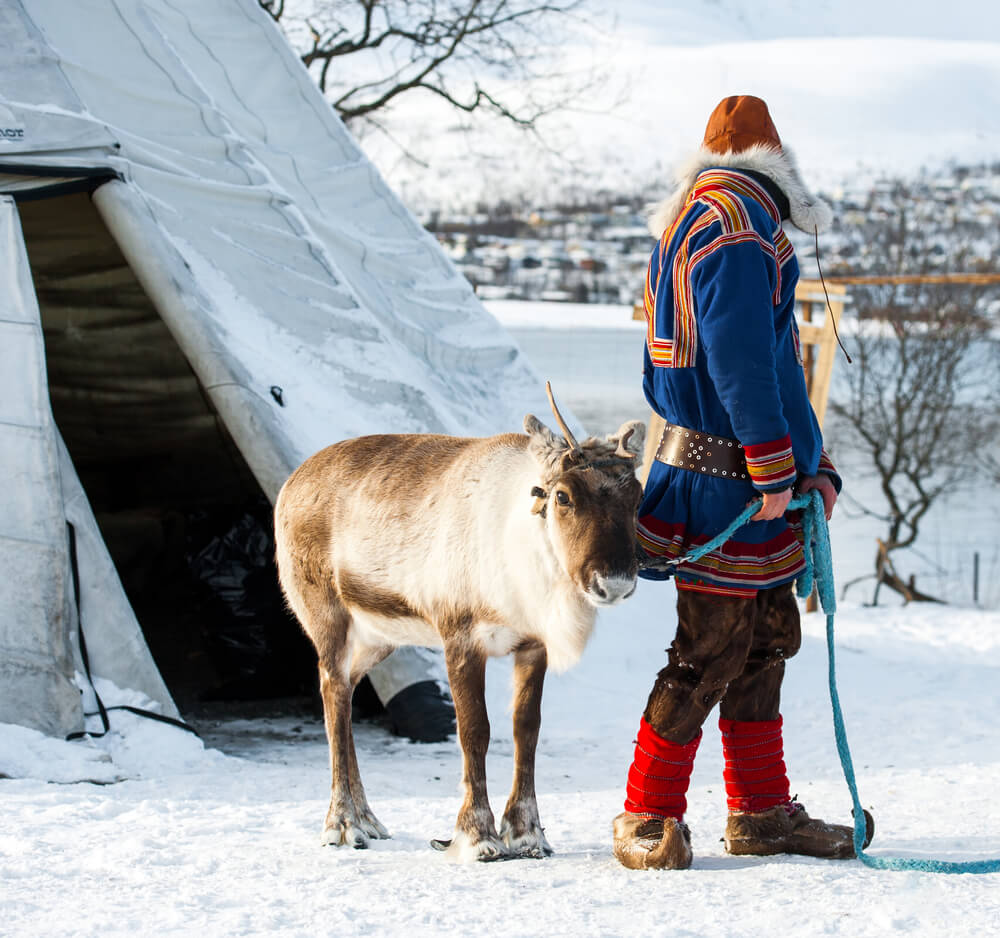
Did you know that the European Arctic has a large Indigenous population? The Sámi people have lived in the Sápmi region, which encompasses parts of Norway, Sweden, Finland, and Russia, for at least ten thousand years.
Despite harsh Arctic climates and arguably harsher ‘human climates’, where European settlers have attempted to force assimilation through legal and cultural erasure, the Sámi have thrived in spite of it all, preserving their traditions, language, and culture throughout all the challenges they’ve faced.
Despite the division of their ancestral lands into four distinct modern-day nations, Sámi culture is alive and well, and you should absolutely make sure some of your tourism dollars help support the Indigenous people of the land by experiencing some Sámi culture while there.
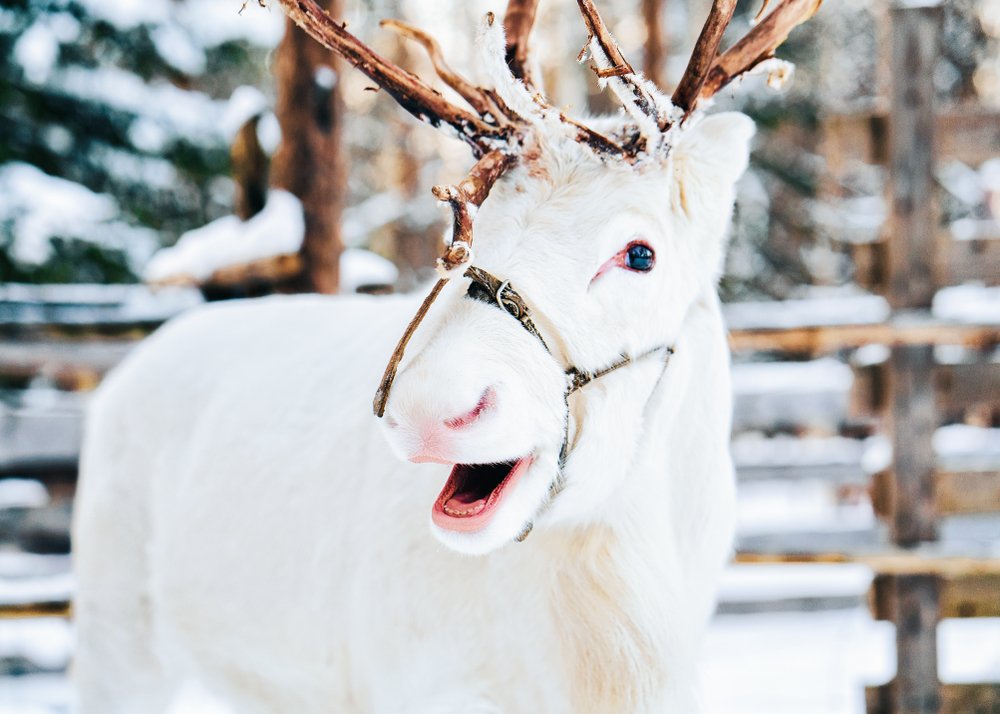
While there aren’t any Sámi-run activities in Abisko National Park itself, you can easily visit Sámi-owned businesses like the open air museum and reindeer ranch outside of Kiruna in Jukkasjärvi, operated by Nutti Sami Siida.
This Sámi reindeer tour is the one I would recommend as it is Sámi operated, allowing you to have the chance to visit the Sámi-run open-air museum located in the town of Jukkasjärvi, about an hour away, which is operated by the same family who owns the lovely Reindeer Lodge in the same town.
I actually just visited this open-air museum on my recent trip to Abisko, Kiruna, and Jukkasjärvi a few weeks ago (as of time of update in 2025). I think it’s an excellent introduction to learning about Sámi culture and heritage if you don’t know anything about it yet.
The tour includes roundtrip transportation to the museum and the chance to meet and feed the reindeer their favorite snack: Arctic moss, of course. This can be purchased at the museum.
You’ll also get to learn about Sámi culture and have free time to explore the premises or eat lunch (which can be purchased separately from the on-site restaurant, Ovttas) in a traditional Sámi lavvo.
Visit the incredible Icehotel — the first of its kind!
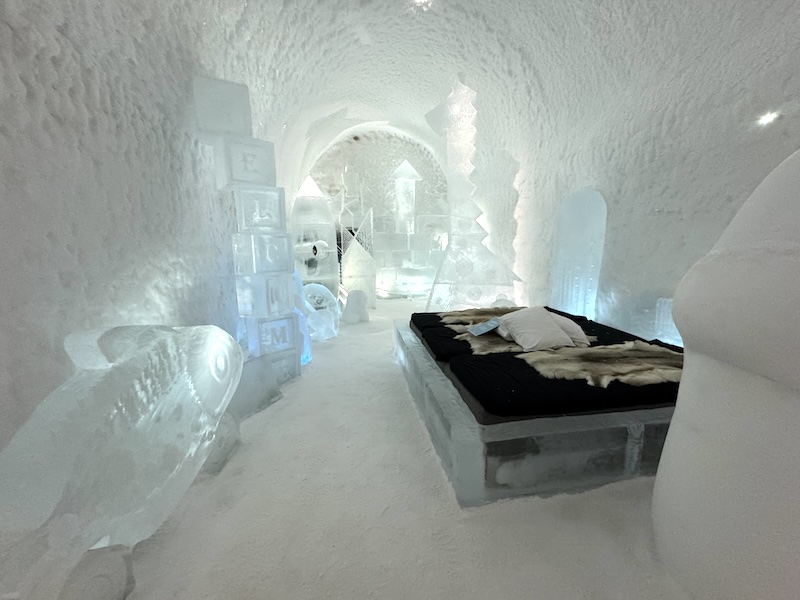
One of the most famous places in Sweden, a visit to the famous Icehotel in Jukkasjärvi is likely one of the top things to do on your Swedish Lapland itinerary…. and if it’s not already, it should be.
I love visiting ice hotels — I’ve also visited the Tromso Ice Domes (though this is now a snow park, and you can no longer stay overnight), the snow hotel in Rovaniemi, as well as the ice hotel in Alta — although I’ve never gotten the chance to stay the night in one. Though honestly, I’m not so keen as I’d rather sleep in a warm room.
Unless you have your own car, it’s difficult to get to the Icehotel as it’s located closer to Kiruna than Abisko and there’s no convenient public transit between Abisko and the ice hotel. There is no public transportation between Abisko and the ice hotel. For that reason, I recommend a guided day trip like this one, unless you are a highly experienced winter driver and plan to rent a car.
A mashup halfway between a typical hotel and an art exhibition made entirely of ice, the Icehotel is an incredible feat of engineering. The original Icehotel was first created in 1989, but the actual ice structure is completely redone each year (hence the serious price tag on the cold rooms).
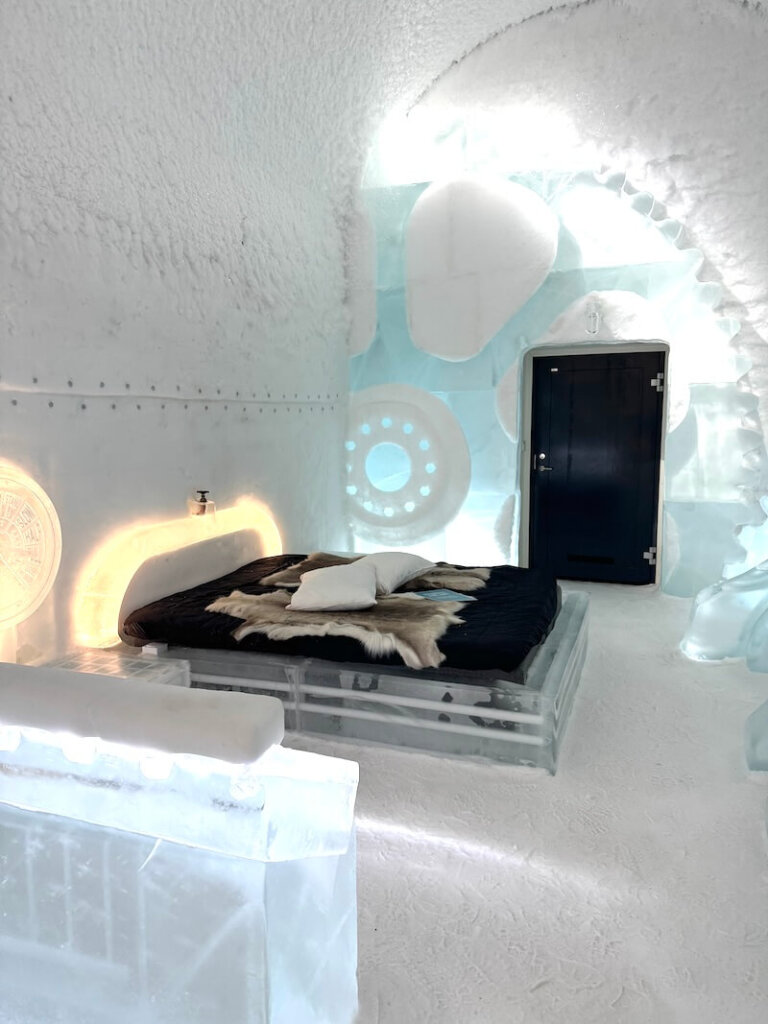
But they also have a permanent structure with ice rooms that you can even visit (and stay in!) all year-round, called Icehotel 365, which I recently visited and loved. Honestly, I didn’t have high hopes for it, but it’s massive and totally worth visiting. And while operating a year-round Icehotel may sound like a carbon footprint nightmare, it’s actually entirely operated by solar panels!
While the 365 building is around year-round, with some gradual changes to the exhibits, the winter Icehotel is constructed from scratch at the start of winter each year! For the 2025–2026 season, the winter Icehotel is expected to open on December 13, 2025 and close on April 12, 2026. That said, these dates are written in ice, not ink — temperatures matter, and they fluctuate more than they used to.
However, if the seasonal Icehotel is not open, you can still check out the Icehotel 365. The day tour consists of a guided tour of the ice hotel’s artsy suites, common areas, the ice bar, etc. plus leisure time to explore the hotel, take photos, or even dine or drink at the restaurant (though to be honest, I hated my meal here and don’t think it’s worth it).
It’s only available on Tuesdays, Thursdays, and Saturdays, so plan ahead! Tours end at the end of March.
Explore the curious town of Kiruna
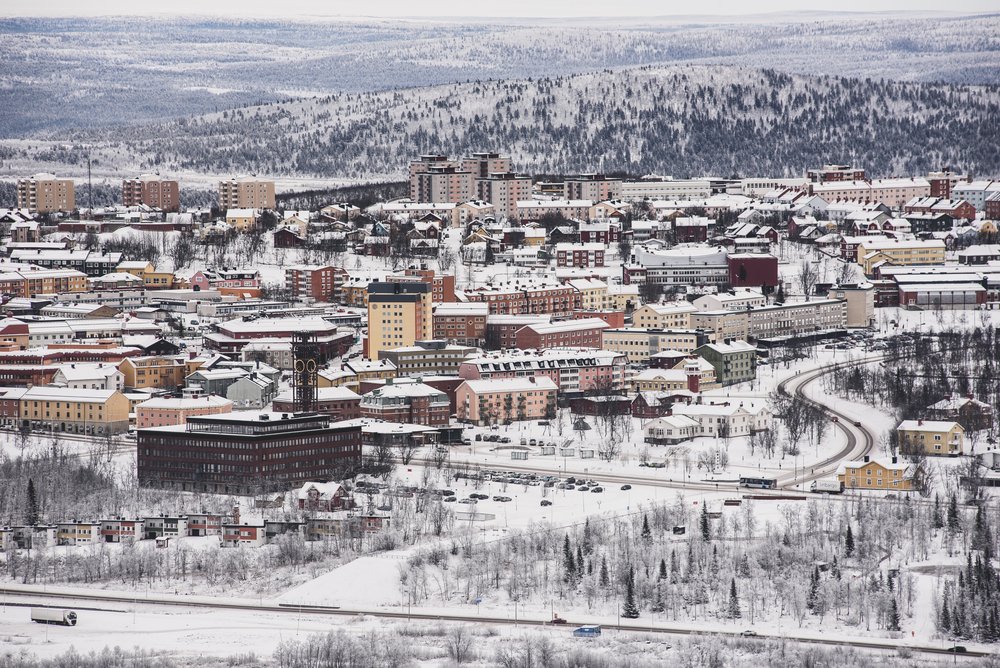
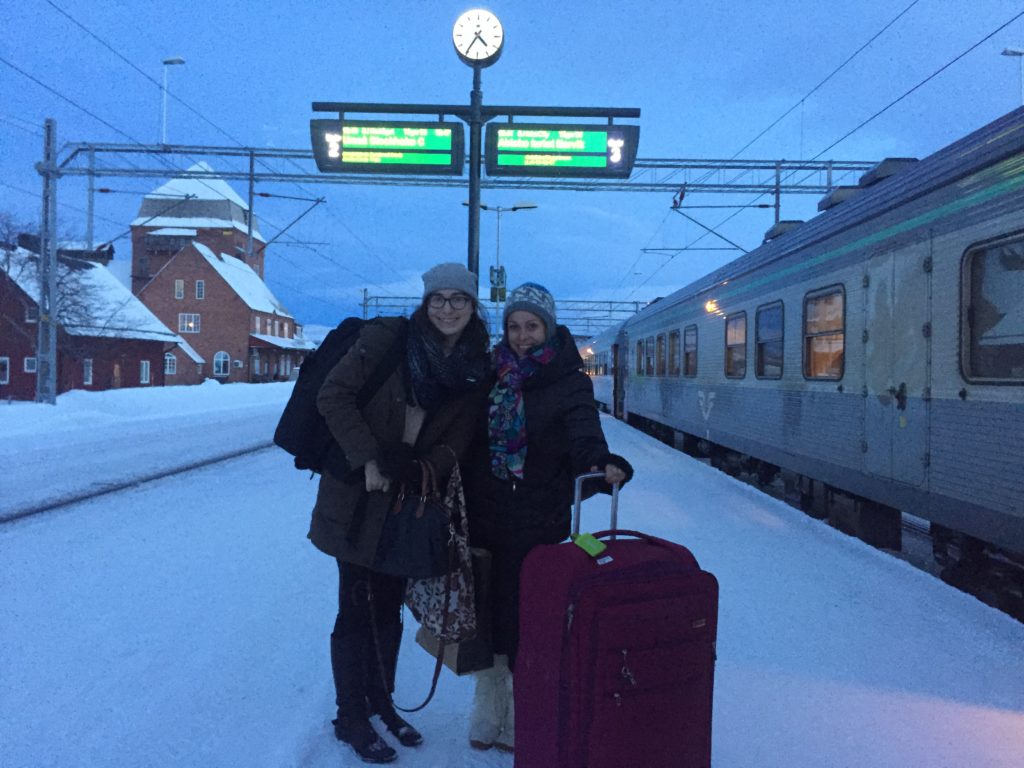
Kiruna is an easy day trip from Abisko, but more often, people visit it on their way to or from Abisko since has an airport and also a train station (which can later bring you to Abisko directly as well).
Kiruna is a historic mining town, and herein lies the curiosity of this city. The mining has created an unstable ground situation, which has forced the city of Kiruna to literally move.
The photo below? The very same church is now located a full two kilometers away from where it was originally built, after being moved in the summer of 2025. When I visited in September of 2025, there was still a lot of construction in the church area to re-integrate it with the rest of the city.
Despite its recent move, you can still visit the entirely-wooden Kiruna Church – it’s among the largest wooden structures in all of Sweden! Gothic Revival on the outside, Art Nouveau on the inside, the church has over a hundred years of history despite only being in its current location for a matter of weeks at the moment I’m updating this post (October 2025).
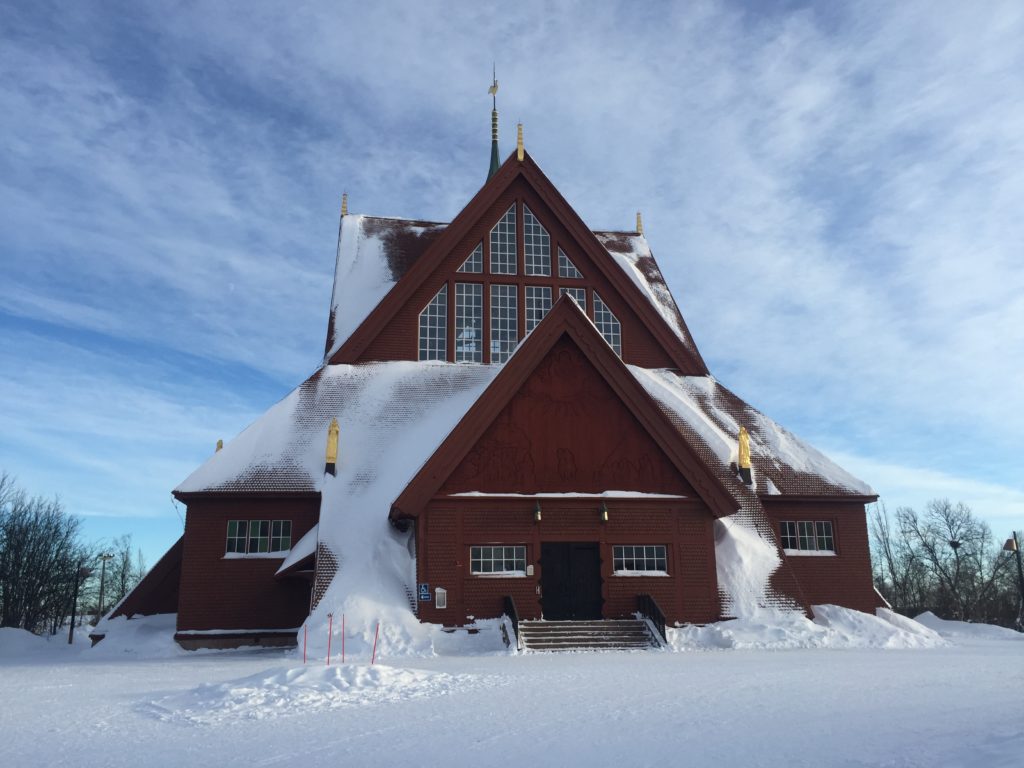
Kiruna itself has almost completed its move since my first visit so it’s a bit surreal to “re-visit” a town that actually, you’ve never seen before. The pedestrianized town center is well thought-out and there’s lots of great shopping to be had for a town of its size.
Sadly, my favorite restaurant SPiS Mat & Dryck is now closed; however, I hear great things about Stejk Street Food and Ann’s, so that’s where I would recommend you eat. I had planned to eat at Stejk but it was closed so I ate at Ripan Kitchen on my last trip to Kiruna and I enjoyed it.

Unfortunately, it can be hard to DIY a day trip to Kiruna from Abisko, since the trains don’t give you much time to explore the city, as they’re set up more as long-distance trains to connect Stockholm and Narvik, as opposed to being regional trains to support short-distance travel within the region.
If you don’t have a car to explore at your leisure, you have the option to take a day trip to the Icehotel on your final day in Abisko and use it as a transfer service. They are happy to drop you off in Kiruna on the way back and keep your luggage in the van for you while you explore the ice hotel. From there, you can spend some time in Kiruna before your flight or train out, or you can spend the night there.
Where to Stay in Abisko
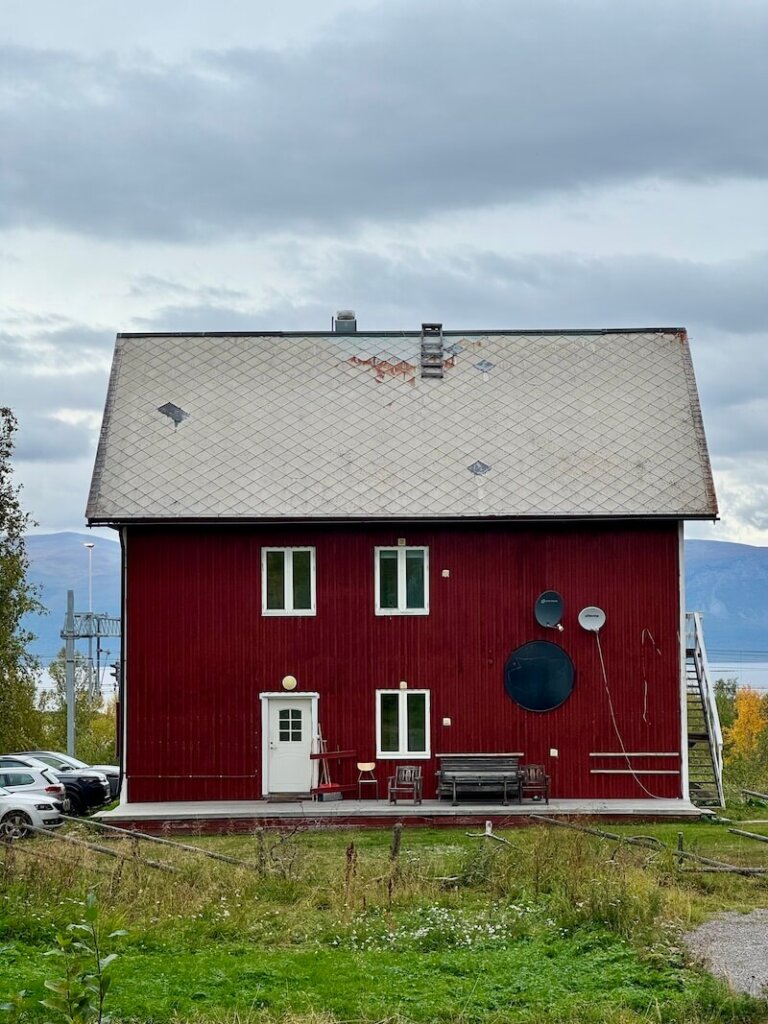
Abisko is a rustic village of 85 official residents. So as you can imagine for a town that small, there’s not a ton in the way of guesthouse and hotel options.
This hasn’t changed at all in the 10 years since I first visited. There are really only a handful of options. But that’s almost nice in a way, not to have to struggle with indecision!
Top Recommendation: Abisko Mountain Lodge
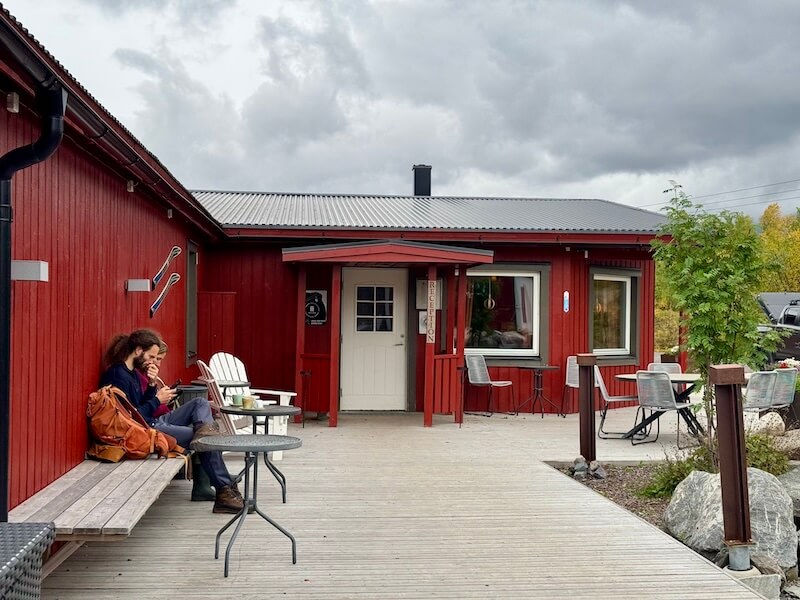
I’d recommend Abisko Mountain Lodge for most travelers to Abisko. It’s not luxurious — the rooms are extremely small — but it’s more of a traditional hotel, whereas STF Turiststation and Abisko net are more like hostels.
The restaurant, however, is absolutely incredible and definitely worthy of a meal while you are in Abisko. It was my favorite part of my recent stay at Abisko Mountain Lodge.
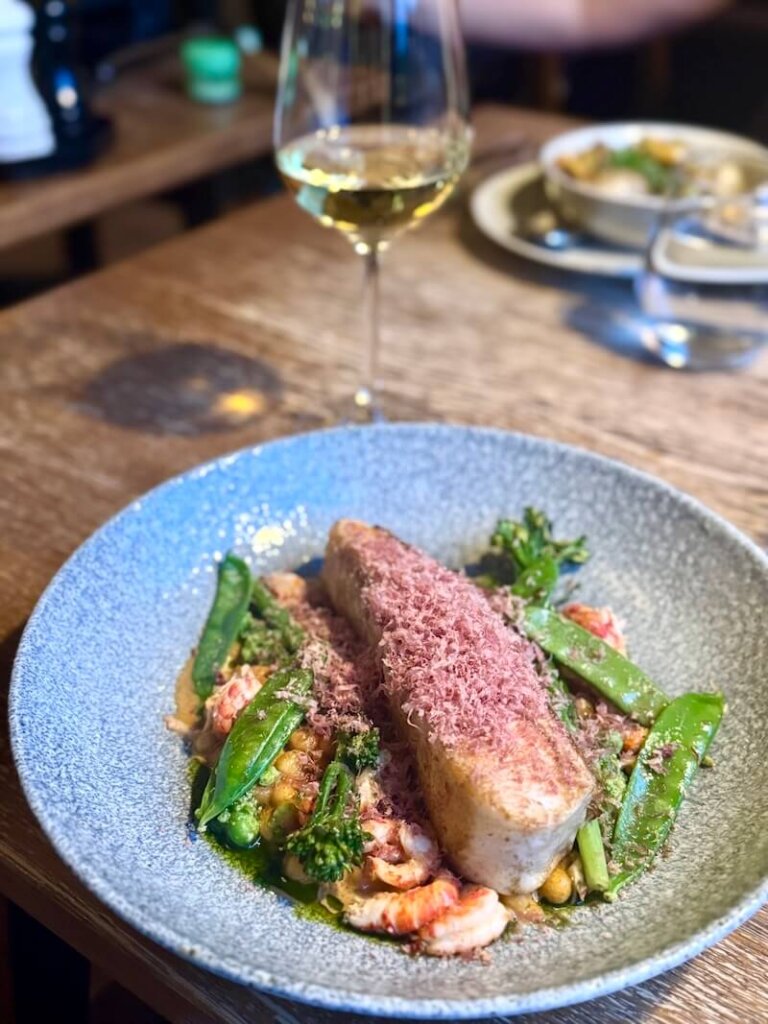
The breakfast spread was also absolutely delicious, and the lounge area with its fireplace is so, so cozy!
Plus, since it’s located on the hill above the town, you can more easily escape the light pollution of Abisko village.
Mid-Range & In Nature: STF Turiststation
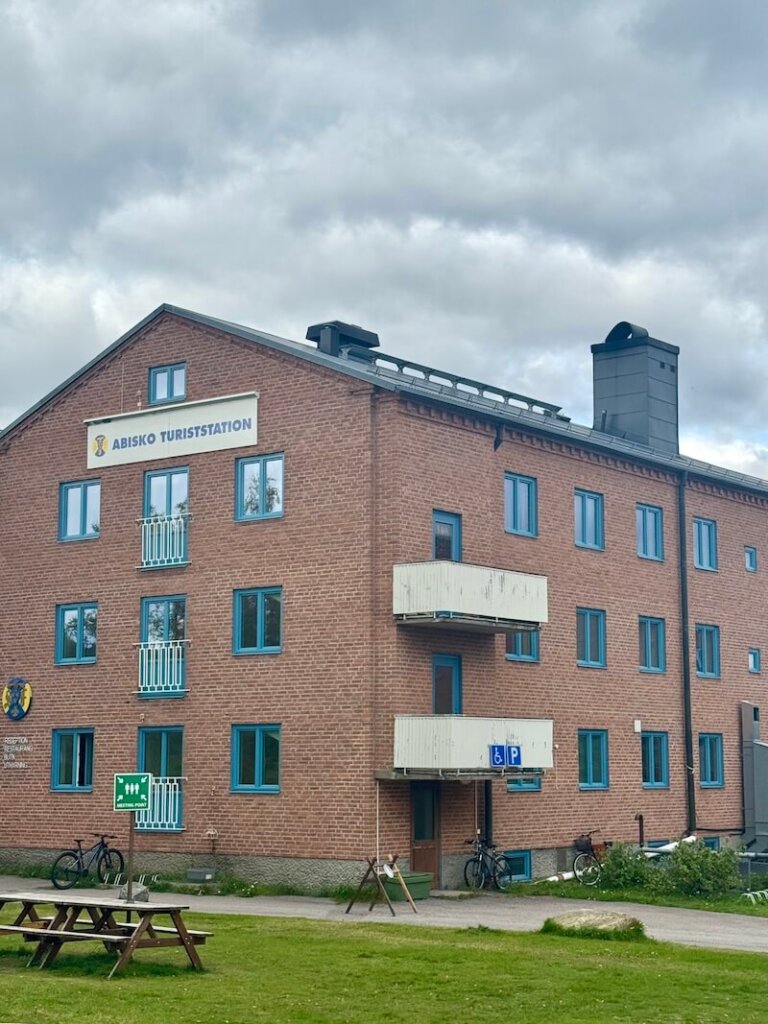
I stayed at STF Turiststation on my first trip, and I can’t recommend it enough — it’s honestly one of the best hostels I’ve ever stayed in. It had not one but two huge kitchens, a free sauna, and a surprisingly good restaurant.
The breakfast and lunch buffets are great value by Swedish standards, and while dinner’s definitely pricier, it’s absolutely worth the splurge for a special night. Though on my recent autumn 2025 visit, I peeked at the lunch buffet and it looked rather sad — my friend confirmed the quality’s slipped at lunch, but dinner still seems to hold up!
The rooms at STF are pretty much your standard hostel dorm. But you’re literally in Abisko National Park, just a 10-minute walk from the frozen waterfalls or a 15-minute walk from the frozen-over lake which is a great aurora-watching spot: how much better can a location get?
Budget: Abisko net Hostel & Huskies
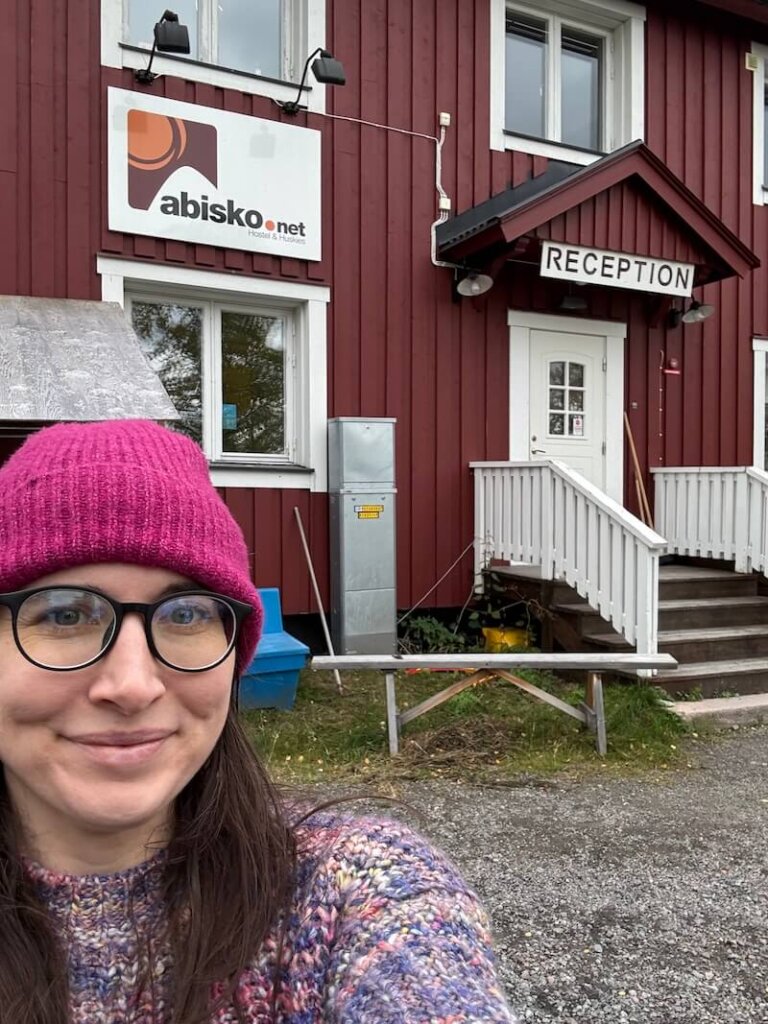
Abisko net Hostel & Huskies is an option for a place to stay in Abisko if you are traveling on a budget.
Actually, I had booked to stay here on my first trip to Abisko; unfortunately, the hostel ended up having an unforeseen issue and wasn’t able to host me, so it rebooked me at STF Turiststation (above), which as a more expensive place, in a better (private!) room, at no extra cost.
That sort of above and beyond mentality was really encouraging, and while I didn’t get to stay there, I did like the facilities I could see and use. With rather affordable dorms and perks like a free sauna and shared kitchen, I definitely think this hostel would be a good choice for budget and/or solo travelers in Sweden, as STF is a little more upscale.

Allison Green is a former teacher who has been travel blogging since 2016, visiting 75+ countries in total. She has a Masters in Teaching and a B.A. in English and Creative Writing. As a former educator, she merges her writing and educational experience to encourage ethical, sustainable travel. She has been a speaker at the World Travel Writers Conference and TBEX. Her writing, photography, and podcasting work has appeared in National Geographic, CNN Arabic, CBC Canada, and Forbes, amongst others. When she’s not on the road, she lives in Bangkok, Thailand.

Awesome!…. I heading soon .
Do you recommend driving from Stockholm in the winter?
Correction~! I AM HEADING THERE SOON LOL
Hi Rebecca! It’s a really, really long distance so I would say no (unless there are places you plan to stop along the way?). The overnight train would be the best, followed by the plane.
Hi Allison, Lovely blog 🙂 We are going there this x mas with our two kids (2 year old and 7 year old). Everybody says we are adventurous to go in the cold with a toddler. We have booked a room in the Abisco guesthouse and our goal is to see the northern lights. Do you know if these tours are suitable for kids? Do they keep them warm like putting us in a van or a tent until they spot the lights? If not, then we might just ride our luck to see if the lights show up in abisco and we are able to see them from our guesthouse 🙂
Thank you for answering in advance
Regards
Sid
Hi Sid, sorry for the late reply. I think the tours are suitable for kids and there is definitely plenty of warm gear they rent. I did a NL tour in Tromso, not Abisko, but they provided warm suits, a fire to hang out around, and I’m pretty sure they would have let us hang out in the van if we wanted. But you’ll have to check specifically with these Abisko tours as I just personally saw the lights from the guesthouse during my stay.
Hello Allison,
Your post is extremely informative, thank you for sharing! I wanted to ask if the probability of seeing the Northern Lights in early-November 2024 is good or not in Abisko?
Alternatively, if budget was not a concern, if we have 4-5 days, which is the best place to try to see the lights from (Among Norway, Iceland, Sweden, Finland and Greenland)?
That’s pretty high probability! Around 80% chance of seeing lights as long as there’s enough night hours, which there are in early November 🙂
I’d say Finland is the next best after Abisko, Sweden for seeing the lights. Norway and Iceland are very coastal and prone to lots of cloud cover. I haven’t been to Greenland yet but I imagine the same. Generally, the more inland you are, the better.
Hi Allison I wonder if I may ask you to email me please. Im so confused about what to do as we have very limited time. My bucket list is Aurora sighting, see reindeer tick tick and, if time permits huskies. Should we take a train from Stockholm, overnight, if we stay at (which place is near the aurora “hole”)? with the least light pollution, can an organised tour take us from there for Aurora tour. Then is there a reindeer tour company in Abisko. We won’t have car so want to do the activities from pickup in Abisko? Then overnight train (if that is what we do)? from Abisko to Gothenberg? is this possible and which companies and hotel will you recommend please??? My searching is only confusing me more lol Kindest regards Louise (Australia)
Yes, take the train from Stockholm overnight, you can take the train all the way to Abisko and all hotels should be within walking distance of the train station. (All Abisko hotels listed are near the aurora ‘hole’). I personally like STF and Abisko Mountain Lodge best. Mountain Lodge is a nicer acccommodation, STF has nicer grounds to explore and walk around. Any tour company will offer you pickups for aurora tours, etc. All the tour companies I recommend are the ones listed in the top box of this post, through the company Get Your Guide.
It does seem like you can probably train back to Gothenberg, I’m only aware off the top of my head of the Stockholm-Abisko connection.
How many days do you have in Abisko? That may depend on whether or not you have time for both huskies and reindeer. Personally I think husky tour is more exciting than reindeer but that’s just my opinion. I think the only reindeer activities are in Kiruna/Jukkasjarvi about one hour away.